
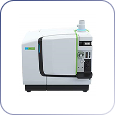
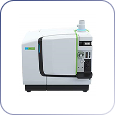
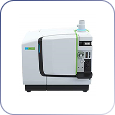
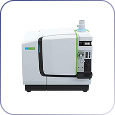
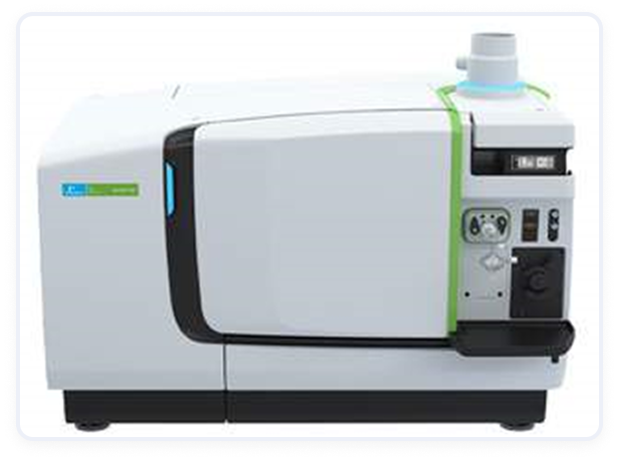
Inductively Coupled Plasma Mass Spectrometry (ICP-MS)
Inductively Coupled Plasma Mass Spectrometry (ICP-MS) is a sophisticated analytical technique used to detect and quantify elements at extremely low concentrations. It combines the power of inductively coupled plasma (ICP) for atomization and ionization with mass spectrometry for detection and quantification. Here’s a comprehensive look at how it works and its key features:
How ICP-MS Works
1. Sample Introduction : The sample, typically in liquid form, is introduced into the instrument using a nebulizer, which converts the sample into a fine aerosol.
2. Plasma Generation : The aerosol is transported into an inductively coupled plasma, which is a high-temperature plasma generated by an argon gas stream and a high-frequency electromagnetic field. The plasma atomizes and ionizes the sample.
3. Ionization : The high-energy plasma ionizes the atoms in the sample, converting them into positively charged ions.
4. Mass Analysis : The ions are then directed into a mass spectrometer. The mass spectrometer separates these ions based on their mass-to-charge ratio (m/z). This is typically done using either a quadrupole, a time-of-flight (TOF) analyzer, or an inductively coupled plasma mass spectrometer with a sector field analyzer.
5. Detection : The separated ions are detected and quantified. The intensity of the signal corresponds to the concentration of the ions, which can be used to determine the concentration of the elements in the sample
Key Features
High Sensitivity
ICP-MS is capable of detecting elements at very low concentrations, often in parts per trillion (ppt), making it ideal for trace element analysis.
Wide Dynamic Range
It can measure a broad range of concentrations, from very low to high levels, with high precision.
Multi-Element Capability
ICP-MS can analyze multiple elements simultaneously, which is efficient and time-saving.
Isotopic Analysis
Compared to some other methods, sample preparation for ICP-OES is often less complex, especially when the sample is already in liquid form.
Low Detection Limits
Due to its high sensitivity and ability to detect very low levels of contaminants, ICP-MS is particularly useful in applications requiring extremely low detection limits.
Various industries
Request More Information
Contact Us to learn more about our offerings or Request a Quote to get started today!
Contact Us

