
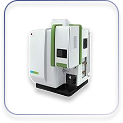
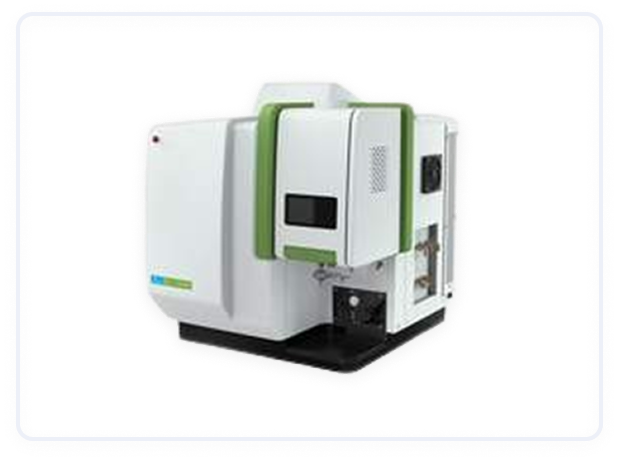
Inductively Coupled Plasma Optical Emission Spectroscopy (ICP-OES & ICP-AES)
Inductively Coupled Plasma Optical Emission Spectroscopy (ICP-OES), also known as Inductively Coupled Plasma Atomic Emission Spectroscopy (ICP-AES), is a powerful analytical technique used for the detection and quantification of elements in various types of samples. It is highly valued for its ability to analyzed multiple elements simultaneously with high sensitivity and accuracy. Here’s an overview of how it works and its key features:
How ICP-OES Works
1. Sample Introduction : The sample, often in liquid form, is introduced into the instrument via an aerosol. This is typically done using a nebulizer that converts the liquid sample into a fine mist.
2. Plasma Generation : The aerosol is carried into an inductively coupled plasma, which is a high-temperature (approximately 10,000 K) ionized gas created by passing an argon gas stream through a high-frequency electric field. The plasma is used to atomize and excite the sample’s atoms.
3. Excitation and Emission : In the plasma, the atoms of the elements in the sample absorb energy and become excited. When these excited atoms return to their ground state, they emit light at characteristic wavelengths.
4. Detection : The emitted light is passed through a spectrometer, which disperses the light into its component wavelengths. A detector measures the intensity of light at each wavelength.
5. Data Analysis : The intensity of the emitted light is proportional to the concentration of the elements in the sample. By comparing the data to calibration standards, the concentrations of the elements can be determined.
Key Features
Simultaneous Multi-Element Analysis
ICP-OES can detect and quantify multiple elements at the same time, which increases throughput and efficiency.
Wide Dynamic Range
It can analyze elements across a broad range of concentrations, from very trace levels to higher concentrations.
High Sensitivity and Precision
The technique is capable of detecting elements at very low concentrations, often in parts per billion (ppb).
Minimal Sample Preparation
Compared to some other methods, sample preparation for ICP-OES is often less complex, especially when the sample is already in liquid form.
Various industries
Request More Information
Contact Us to learn more about our offerings or Request a Quote to get started today!
Contact Us

