
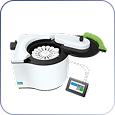
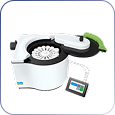
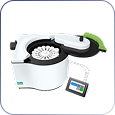
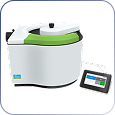
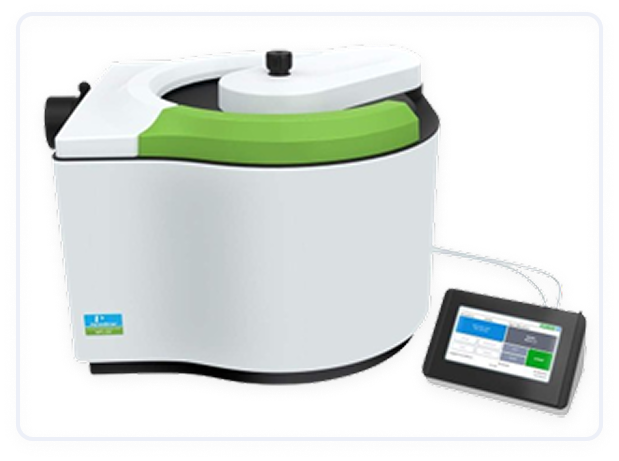
Microwave Digestion System
Microwave digestion is a widely used technique in analytical chemistry for the preparation of samples before analysis, particularly when dealing with materials that are difficult to dissolve or require rapid and efficient digestion. This method is commonly employed in conjunction with techniques such as Atomic Absorption Spectroscopy (AAS), Inductively Coupled Plasma Optical Emission Spectroscopy (ICP-OES), and Inductively Coupled Plasma Mass Spectrometry (ICP-MS). Here’s a detailed overview of microwave digestion systems:
How Microwave Digestion Works
1.Sample Preparation :
Sample Type :Microwave digestion is used for a variety of sample types, including soils, sediments, foodstuffs, biological tissues, and metals.
Sample Size : Samples are typically ground into a fine powder or homogenized before digestion to ensure uniformity.
2.Sample and Reagent Addition :
Digestion Vessels : Samples are placed in sealed digestion vessels (usually made of high-pressure-resistant materials like Teflon).
Reagents : Strong acids (such as nitric acid, hydrochloric acid, or sulfuric acid) are added to the sample in the digestion vessel. These reagents assist in breaking down the sample matrix and dissolving the target elements.
3.Microwave Heating :
Microwave Energy : The vessels are placed in a microwave digestion system where they are subjected to microwave radiation.
Heating and Pressure : Microwaves rapidly heat the sample and reagent mixture. The enclosed environment within the vessels allows for high temperatures and pressures to be achieved, accelerating the digestion process.
4.Digestion Process :
Chemical Reactions : The heat and pressure from the microwave energy enhance the chemical reactions between the sample and reagents, leading to the breakdown of complex matrices and complete dissolution of the sample.
5.Cooling and Sample Recovery :
Cooling : After digestion, the vessels are allowed to cool down to room temperature.
Sample Transfer : The digested sample is then carefully transferred to a suitable container for further analysis, often involving dilution or filtration if necessary.
Key Features
Rapid Digestion
Microwave digestion significantly speeds up the digestion process compared to traditional methods, such as hot plate digestion, reducing the overall analysis time.
Controlled Conditions
Modern microwave digestion systems allow precise control of temperature and pressure, ensuring consistent and reproducible results.
High Efficiency
The technique is highly efficient in breaking down complex samples, which is particularly useful for materials that are otherwise challenging to dissolve.
Safety
Closed digestion vessels minimize the risk of exposure to hazardous chemicals and prevent loss of volatile elements.
Automation
Many systems are automated, with built-in controls for temperature, pressure, and timing, which improves reproducibility and ease of use.
Various industries
Request More Information
Contact Us to learn more about our offerings or Request a Quote to get started today!
Contact Us

