
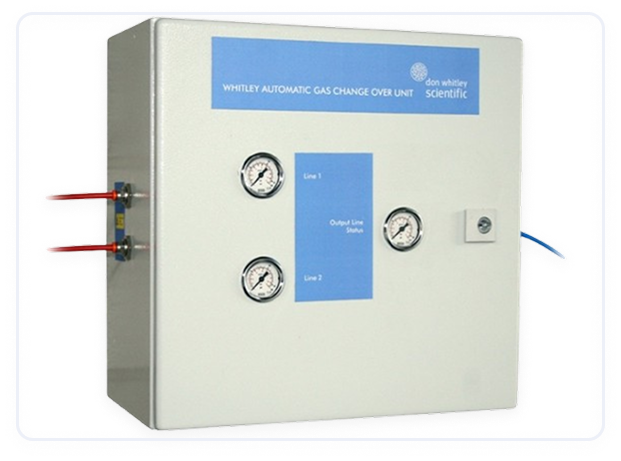
Automatic Gas Changeover Unit (AGCU)
An Automatic Gas Changeover Unit (AGCU) is a device used to automatically switch between multiple gas supply cylinders or sources to ensure a continuous and uninterrupted supply of gas to an industrial, laboratory, or medical application. The AGCU is typically used for gases such as oxygen (O₂), nitrogen (N₂), carbon dioxide (CO₂), and argon (Ar), among others. The unit automatically detects when the primary gas supply is depleted and switches to a secondary cylinder, preventing gas shortages that could disrupt operations.
Key Features and Components of an Automatic Gas Changeover Unit :
Gas Supply Control :
The AGCU is designed to control the flow of gas from multiple cylinders or tanks. It ensures that gas is supplied from the primary cylinder until it is nearly empty, at which point it automatically switches to the secondary cylinder.
Automatic Switching Mechanism :
The unit is equipped with pressure regulators and valve systems that monitor the gas pressure in the primary cylinder. When the pressure drops below a certain level (indicating that the gas is running out), the system automatically activates the secondary cylinder, ensuring no interruption in gas supply.
Pressure Gauges :
The AGCU typically includes pressure gauges to continuously monitor the pressure levels of the gas cylinders. These gauges allow users to visually check the status of the primary and secondary gas supplies and take appropriate action if necessary.
Integrated Alarms :
Some AGCUs feature alarm systems that sound or signal when the gas pressure in the primary cylinder is low or when the unit switches to the secondary cylinder. This provides a safety warning to ensure that the gas supply remains uninterrupted.
Air Circulation and Fan :
In addition to automatic switching, many models of AGCUs include a manual override function, allowing operators to manually switch gas supplies if necessary, such as for maintenance or troubleshooting.
Flow Meters :
Flow meters may be included to measure and display the amount of gas being used. This helps operators monitor the efficiency and usage of gas and predict when a cylinder will need to be replaced or refilled.
Changeover Valve :
The core component of the AGCU is the changeover valve, which connects to the gas cylinders and allows for automatic switching from one cylinder to another. The valve is typically spring-loaded and operated by changes in gas pressure.
Dual Cylinder System :
An AGCU is typically connected to two or more gas cylinders at a time. These cylinders are connected in parallel, and the unit can be configured to switch automatically between them, ensuring a constant supply of gas.
Dual Cylinder System :
The unit includes regulators that control the output pressure of the gas and ensure it is consistent, regardless of which cylinder is in use.
How an Automatic Gas Changeover Unit Works :
Initial Gas Supply :
When the system is activated, the primary gas cylinder is the main source of supply. The gas flows through the regulator and is delivered to the application or equipment.
Pressure Monitoring :
The AGCU continuously monitors the pressure in the primary cylinder using pressure sensors. As long as the pressure is above the pre-set threshold, the unit continues to supply gas from the primary cylinder.
Automatic Switch :
When the pressure in the primary cylinder drops below a certain level, indicating that the gas supply is nearly exhausted, the AGCU detects this change and automatically switches to the secondary cylinder.
This switch occurs seamlessly, ensuring that the gas supply is uninterrupted.
Monitoring and Alarms :
The system may trigger a warning alarm to alert the operator that the primary cylinder is empty and the secondary cylinder is now in use. This allows operators to replace or refill the primary cylinder without causing downtime.
If the secondary cylinder is also close to depletion, the unit may automatically switch to a third cylinder if available or alert the operator to replace the cylinders.
Manual Intervention :
If needed, operators can manually override the automatic function and switch the gas supply from one cylinder to another. This may be done for maintenance, troubleshooting, or testing.
End of Cycle :
Once the gas supply from the secondary cylinder is depleted, the AGCU either switches to a third cylinder (if configured) or alerts the operator to replace or refill the gas cylinders.
How an Automatic Gas Changeover Unit Works :
Initial Gas Supply :
When the system is activated, the primary gas cylinder is the main source of supply. The gas flows through the regulator and is delivered to the application or equipment.
Pressure Monitoring :
The AGCU continuously monitors the pressure in the primary cylinder using pressure sensors. As long as the pressure is above the pre-set threshold, the unit continues to supply gas from the primary cylinder.
Automatic Switch :
When the pressure in the primary cylinder drops below a certain level, indicating that the gas supply is nearly exhausted, the AGCU detects this change and automatically switches to the secondary cylinder.
This switch occurs seamlessly, ensuring that the gas supply is uninterrupted.
Monitoring and Alarms :
The system may trigger a warning alarm to alert the operator that the primary cylinder is empty and the secondary cylinder is now in use. This allows operators to replace or refill the primary cylinder without causing downtime.
If the secondary cylinder is also close to depletion, the unit may automatically switch to a third cylinder if available or alert the operator to replace the cylinders.
Manual Intervention :
If needed, operators can manually override the automatic function and switch the gas supply from one cylinder to another. This may be done for maintenance, troubleshooting, or testing.
End of Cycle :
Once the gas supply from the secondary cylinder is depleted, the AGCU either switches to a third cylinder (if configured) or alerts the operator to replace or refill the gas cylinders.
Various industries
Request More Information
Contact Us to learn more about our offerings or Request a Quote to get started today!
Contact Us

