
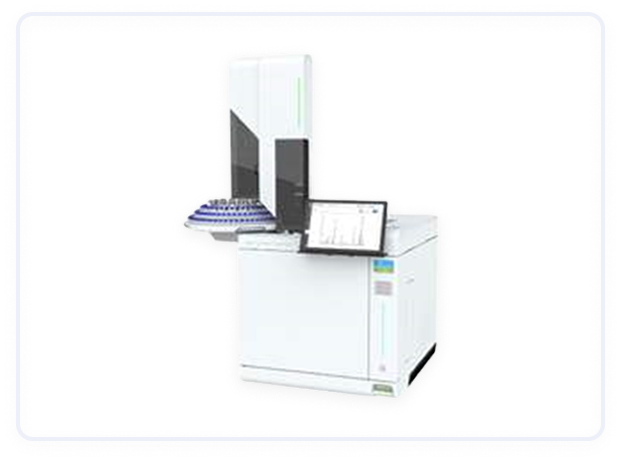
GC/MS Instruments
Gas Chromatography-Mass Spectrometry (GC-MS) is a powerful analytical technique that combines the separation capabilities of gas chromatography with the identification and quantification capabilities of mass spectrometry. This combination allows for detailed analysis of complex mixtures, making GC-MS a versatile tool in many fields. Here’s an overview of GC-MS instruments:
Key Components of GC-MS Instruments
Gas Chromatograph (GC):
Sample Injector : Introduces the sample into the GC system. Common types include split/splitless injectors, on-column injectors, and purge-and-trap systems.
Column : Separates the sample components based on their interaction with the stationary phase inside the column. Common types are capillary columns with various stationary phases tailored to different applications.
Carrier Gas : Transports the sample through the column. Common carrier gases include helium, nitrogen, and hydrogen.
Oven : Controls the temperature of the column, which is essential for separating compounds based on their boiling points and interactions with the stationary phase.
Mass Spectrometer (MS):
Ion Source : Converts the separated compounds from the GC into ions. Common ionization methods include Electron Impact (EI) and Chemical Ionization (CI).
Mass Analyzer : Separates the ions based on their mass-to-charge ratio (m/z). Types of mass analyzers include Quadrupole, Time-of-Flight (TOF), and Ion Trap.
Detector : Measures the abundance of ions and generates a mass spectrum. Common detectors include the Electron Multiplier (EM) and the Faraday Cup.
Data System :
Software : o Processes the data from the mass spectrometer and provides chromatograms and mass spectra. It includes tools for identifying compounds based on their mass spectra and quantifying their concentrations.
How GC-MS Works
Sample Introduction : The sample is introduced into the gas chromatography, where it is vaporized and carried by the carrier gas through the column.
Separation : The column separates the sample components based on their interaction with the stationary phase and their boiling points. Each component evaluates from the column at a different time, known as the retention time.
Ionization : The separated compounds enter the mass spectrometer, where they are ionized in the ion source. Ionization creates charged particles (ions) from the neutral molecules.
Mass Analysis : The ions are separated based on their mass-to-charge ratio by the mass analyzer. The resulting mass spectrum provides a profile of the ions present in the sample.
Detection : The detector measures the abundance of each ion and generates a mass spectrum, which is used to identify and quantify the compounds.
Data Analysis : The chromatogram displays the separation of compounds, while the mass spectrum provides information about the molecular weight and structure of each compound. Software tools analyze this data to identify and quantify the compounds present in the sample.
How GC-MS Works
Sample Introduction : The sample is introduced into the gas chromatography, where it is vaporized and carried by the carrier gas through the column.
Separation : The column separates the sample components based on their interaction with the stationary phase and their boiling points. Each component evaluates from the column at a different time, known as the retention time.
Ionization : The separated compounds enter the mass spectrometer, where they are ionized in the ion source. Ionization creates charged particles (ions) from the neutral molecules.
Mass Analysis : The ions are separated based on their mass-to-charge ratio by the mass analyzer. The resulting mass spectrum provides a profile of the ions present in the sample.
Detection : The detector measures the abundance of each ion and generates a mass spectrum, which is used to identify and quantify the compounds.
Data Analysis : The chromatogram displays the separation of compounds, while the mass spectrum provides information about the molecular weight and structure of each compound. Software tools analyze this data to identify and quantify the compounds present in the sample.
Various industries
Request More Information
Contact Us to learn more about our offerings or Request a Quote to get started today!
Contact Us

