
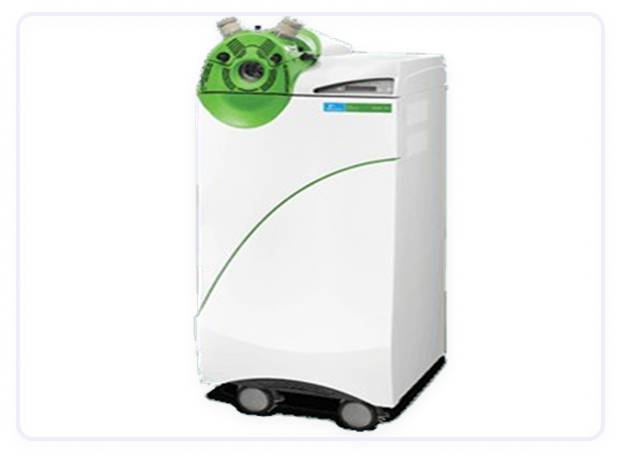
LC/MS Instruments
Liquid Chromatography-Mass Spectrometry (LC-MS) is a sophisticated analytical technique that combines the separation power of liquid chromatography with the identification and quantification capabilities of mass spectrometry. This combination allows for detailed analysis of complex mixtures, providing both qualitative and quantitative information about the components of a sample. LC-MS is widely used across various fields, including pharmaceuticals, environmental analysis, clinical diagnostics, and more. Here’s an overview of LC-MS instruments:
Key Components of LC-MS Instruments
Liquid Chromatography (LC):
Sample Injector : Introduces the liquid sample into the chromatography. Common injectors include manual syringes and auto samplers.
Column : The core component where separation of compounds occurs. Columns are packed with a stationary phase and come in various types, including reverse-phase, normal-phase, and ion-exchange columns.
Pump : Delivers the mobile phase (solvent) at a controlled flow rate. The mobile phase helps carry the sample through the column.
Detector : Measures the compounds as they elute from the column before they enter the mass spectrometer. Common detectors include UV-Vis detectors, fluorescence detectors, and refractive index detectors.
Mass Spectrometer (MS):
Ion Source : Converts the separated compounds from the LC into ions. Common ionization methods include Electrospray Ionization (ESI), Matrix-Assisted Laser Descreption/Ionization (MALDI), and Atmospheric Pressure Chemical Ionization (APCI).
Mass Analyzer : Separates the ions based on their mass-to-charge ratio (m/z). Types of mass analyzers include Quadrupole, Time-of-Flight (TOF), Orbitrap, and Ion Trap.
Detector : Measures the abundance of ions and generates a mass spectrum. Common detectors include the Electron Multiplier (EM) and the Faraday Cup.
Data System :
Software : Processes the data from the mass spectrometer, generating chromatograms and mass spectra. It includes tools for data acquisition, processing, and analysis, such as peak integration and compound identification.
How LC-MS Works
Sample Introduction : The liquid sample is injected into the LC system, where it is mixed with the mobile phase and pumped through the column.
Separation : The sample components are separated based on their interactions with the stationary phase in the column and their affinity for the mobile phase. This results in the compounds evaluating from the column at different times, known as retention times.
Ionization : The separated compounds enter the mass spectrometer, where they are ionized in the ion source. The ionization process creates charged particles (ions) from the neutral molecules.
Mass Analysis : The ions are separated based on their mass-to-charge ratio by the mass analyzer. This results in a mass spectrum that provides information about the molecular weight and structure of the compounds.
Detection : The detector measures the abundance of each ion, and the data is used to generate a chromatogram and mass spectrum. The chromatogram shows the separation of compounds over time, while the mass spectrum provides detailed information about the molecular composition.
Data Analysis : The data system analyzes the chromatogram and mass spectrum to identify and quantify the compounds. Calibration curves and reference spectra are used for accurate quantification and identification.
How LC-MS Works
Sample Introduction : The liquid sample is injected into the LC system, where it is mixed with the mobile phase and pumped through the column.
Separation : The sample components are separated based on their interactions with the stationary phase in the column and their affinity for the mobile phase. This results in the compounds evaluating from the column at different times, known as retention times.
Ionization : The separated compounds enter the mass spectrometer, where they are ionized in the ion source. The ionization process creates charged particles (ions) from the neutral molecules.
Mass Analysis : The ions are separated based on their mass-to-charge ratio by the mass analyzer. This results in a mass spectrum that provides information about the molecular weight and structure of the compounds.
Detection : The detector measures the abundance of each ion, and the data is used to generate a chromatogram and mass spectrum. The chromatogram shows the separation of compounds over time, while the mass spectrum provides detailed information about the molecular composition.
Data Analysis : The data system analyzes the chromatogram and mass spectrum to identify and quantify the compounds. Calibration curves and reference spectra are used for accurate quantification and identification.
Various industries
Request More Information
Contact Us to learn more about our offerings or Request a Quote to get started today!
Contact Us

