
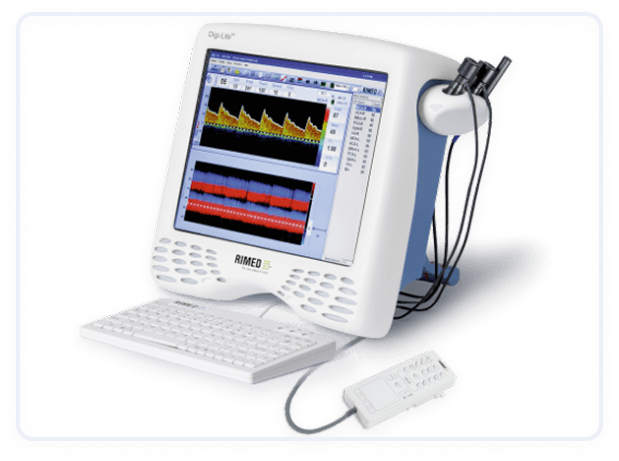
Protein Analyzer
A Protein Analyzer is an essential laboratory instrument used to measure the concentration, composition, and quality of proteins in various samples. These devices are commonly used in research, clinical diagnostics, food and beverage industries, and pharmaceutical applications to perform protein assays and analyze protein content in biological, pharmaceutical, and environmental samples. The analysis of proteins is crucial for understanding biological processes, disease mechanisms, developing therapeutic drugs, and ensuring quality control in industrial products.
Key Features of a Protein Analyzer
Quantification of Protein Content : The primary function of a protein analyzer is to measure the concentration of proteins in a given sample. Common methods for protein quantification include spectrophotometric assays like the Bradford, BCA, or Lowry methods, which use light absorbance to determine protein concentration.
High Sensitivity and Accuracy : Protein analyzers are designed to provide highly sensitive measurements, capable of detecting proteins at low concentrations. This is crucial for accurate data in research, clinical diagnostics, and quality control testing.
Advanced Detection Methods : Modern protein analyzers utilize advanced techniques such as UV-Vis spectrophotometry, fluorescence, and chromatography to detect and quantify proteins, ensuring precise results for complex biological samples.
Multi-Parameter Analysis : Some protein analyzers provide multi-parameter analysis, including protein purity, molecular weight, and protein-protein interactions. This is useful for characterizing proteins in detail, such as determining the presence of isoforms or post-translational modifications.
Automated Operation : Many protein analyzers are automated, allowing for high-throughput analysis of multiple samples simultaneously. Automation reduces the time and labor involved in protein analysis, making it more efficient for large-scale operations.
Customizable Assays : These instruments often offer customizable assay protocols to suit different types of samples, such as biological fluids, cell cultures, or industrial products. This flexibility helps laboratories tailor the analysis to specific research or diagnostic needs.
Integrated Data Analysis : Protein analyzers often come equipped with advanced software for data analysis, enabling users to process results, perform statistical calculations, and visualize data trends. This helps researchers interpret results more efficiently.
Sample Flexibility : Protein analyzers can process a wide variety of sample types, including serum, plasma, urine, tissue extracts, cell lysates, food samples, and pharmaceutical products.
Time-Efficient : Many protein analyzers are designed to provide rapid results, allowing for efficient processing of numerous samples, which is especially beneficial in high-throughput settings such as diagnostic labs or research institutions.
Portable and Compact Models : Some protein analyzers are designed to be compact and portable, making them suitable for use in fieldwork, smaller laboratories, or situations where space is limited.
Various industries
Request More Information
Contact Us to learn more about our offerings or Request a Quote to get started today!
Contact Us

