
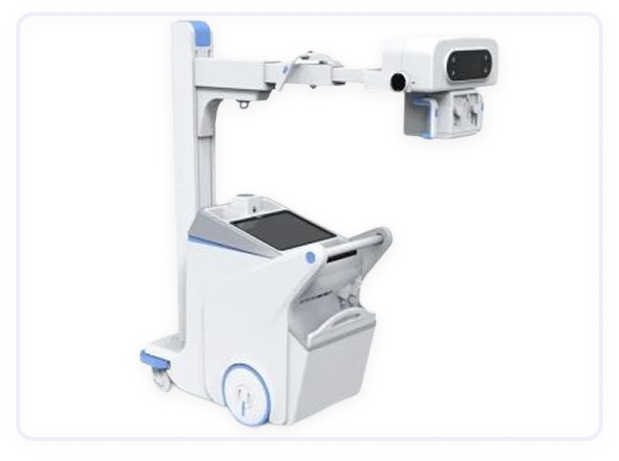
Digital Radiology Machine
A Digital Radiology Machine refers to an advanced imaging system used in medical settings to capture X-ray images in a digital format rather than traditional film. These machines utilize digital sensors to detect and capture X-rays, which are then converted into digital images that can be viewed, analyzed, and stored electronically. This technology has largely replaced traditional film-based X-rays in many healthcare facilities due to its numerous advantages in terms of speed, quality, and ease of use.
Key Features of Digital Radiology Machines
Digital Sensors:
Digital radiology systems use digital detectors instead of photographic film. These sensors can either be flat-panel detectors (FPD) or charge-coupled devices (CCDs) that directly capture the X-ray data and convert it into a digital image.
Instant Image Processing:
Once the X-ray exposure is taken, the image is captured and displayed almost immediately on a computer screen. This real-time availability allows radiologists and healthcare providers to quickly evaluate the images for diagnosis.
High Image Quality:
Image quality can be enhanced using various image processing techniques, providing better diagnostics.
Lower Radiation Exposure:
This also makes digital systems safer, especially for pediatric and geriatric patients, who are more vulnerable to the effects of radiation.
Storage and Archiving:
Digital radiology images can be stored electronically, eliminating the need for physical film storage. These images can be saved in a Picture Archiving and Communication System (PACS), which is an electronic system that stores and manages medical images.
Remote Access and Sharing :
This is particularly useful for telemedicine, enabling patients in rural or underserved areas to receive expert opinions without having to travel.
Various industries
Request More Information
Contact Us to learn more about our offerings or Request a Quote to get started today!
Contact Us

